

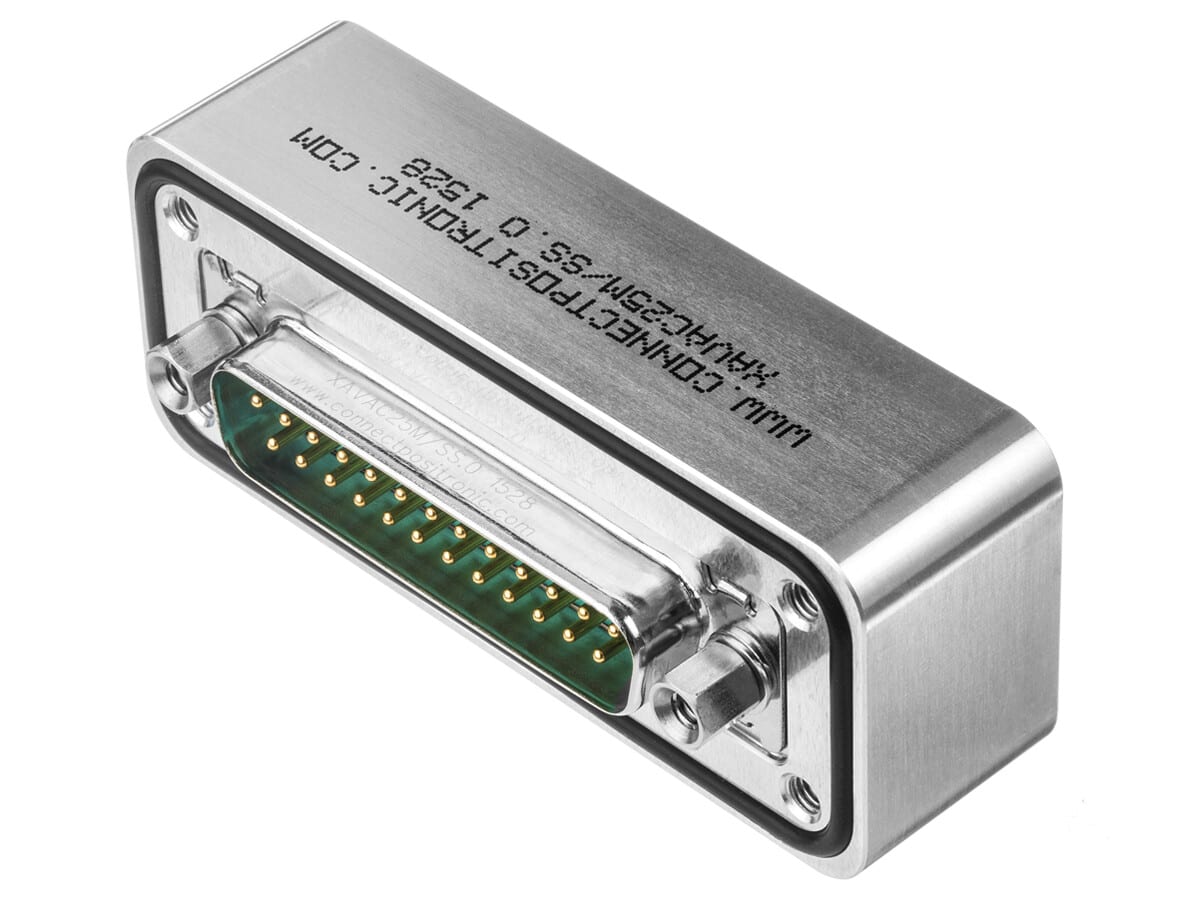
Precision engineering demands extreme accuracy, stability, and reliability in every component used within a system. Whether in aerospace instruments, semiconductor manufacturing, medical devices, or advanced research equipment, even the smallest leakage or signal disturbance can lead to system failure. In such environments, the hermetic feedthrough becomes a critical enabling technology. It ensures secure transmission of electrical, optical, or mechanical signals across sealed barriers without compromising environmental integrity. Modern industries rely heavily on hermetic feedthrough solutions to maintain performance under highly controlled and often extreme operating conditions.
The Role of Hermetic Feedthrough in Precision Engineering
In precision engineering systems, isolation and connectivity must exist simultaneously. A hermetic feedthrough allows electrical or mechanical connections to pass through vacuum or pressure-sealed chambers while maintaining a perfect airtight barrier.
This capability is essential in environments where contamination, moisture, or gas leakage can affect accuracy. For example, in optical calibration instruments or nanoscale measurement systems, even microscopic environmental changes can distort results.
By maintaining strict sealing integrity, hermetic feedthrough technology enables engineers to design systems that operate in ultra-clean, stable, and controlled conditions.
How Hermetic Feedthrough Technology Works
A hermetic feedthrough is typically constructed using a combination of metals, ceramics, and specialized sealing materials. The goal is to create a permanent, leak-proof bond between conductive elements and insulating structures.
Electrical conductors pass through an insulating ceramic or glass medium, which is then bonded to a metal housing using high-temperature brazing or sealing techniques. This creates a structure that can withstand extreme pressure differences while maintaining electrical continuity.
In precision engineering, the quality of this seal determines system reliability. Even the smallest defect can compromise performance, which is why manufacturing standards for hermetic feedthrough components are extremely strict.
PAVE Technology and Advanced Feedthrough Innovation
In the field of high-precision components, PAVE Technology is recognized as a key innovator in hermetic feedthrough solutions for demanding engineering applications. Their expertise lies in developing highly reliable sealing technologies designed for industries where failure is not an option.
PAVE Technology focuses on engineering feedthrough systems that deliver both mechanical strength and electrical precision. Their solutions are widely used in aerospace systems, scientific research instruments, semiconductor fabrication equipment, and advanced industrial automation.
By integrating modern materials science with precision manufacturing techniques, PAVE Technology ensures that every hermetic feedthrough meets strict performance standards for durability, insulation, and vacuum integrity.
Materials Used in Hermetic Feedthrough Design
The performance of a hermetic feedthrough depends heavily on the materials used in its construction. Precision engineering applications require materials that can withstand thermal stress, corrosion, and electrical load without degradation.
Common materials include stainless steel for structural strength, alumina ceramics for electrical insulation, and specialized glass-to-metal seals for airtight bonding. These materials are carefully selected to ensure compatibility under varying environmental conditions.
Manufacturers like PAVE Technology conduct extensive material testing to ensure that each component maintains stability under pressure, temperature changes, and long-term operational stress.
Applications in Precision Engineering Systems
The use of hermetic feedthrough technology is widespread across precision engineering industries. In semiconductor manufacturing, it is used in vacuum chambers for deposition, etching, and lithography processes where contamination control is critical.
In aerospace engineering, feedthroughs are used in satellite testing equipment, propulsion systems, and environmental simulation chambers. These systems require absolute sealing integrity to replicate space-like conditions.
Medical device manufacturing also relies on hermetic feedthrough components in imaging systems, surgical instruments, and diagnostic equipment where electrical isolation and safety are essential.
Scientific laboratories use these systems in particle accelerators, electron microscopes, and spectroscopy devices, where precision measurement depends on stable environmental conditions.
Engineering Challenges in Hermetic Feedthrough Design
Designing a high-performance hermetic feedthrough for precision engineering applications involves overcoming several technical challenges.
One major challenge is maintaining a perfect seal while allowing multiple electrical connections to pass through a compact structure. As systems become smaller and more complex, feedthrough density must increase without compromising performance.
Thermal expansion differences between materials also create stress over time, which can lead to micro-cracks or seal failure if not properly managed. Engineers must carefully design interfaces to accommodate these changes.
Another challenge is minimizing electrical noise and interference, especially in high-sensitivity measurement systems. Proper shielding and grounding are essential to maintain signal integrity.
Companies like PAVE Technology address these challenges through advanced simulation tools, precision machining, and rigorous testing processes that ensure long-term reliability.
Importance of Reliability and Quality Control
In precision engineering, reliability is non-negotiable. A failure in a hermetic feedthrough can disrupt entire systems, leading to costly downtime, inaccurate results, or safety risks.
To ensure reliability, feedthrough components undergo strict quality control procedures, including leak testing, thermal cycling, vibration testing, and electrical performance validation.
These tests simulate real-world operating conditions to ensure that the component can perform consistently over time. High-quality manufacturers like PAVE Technology implement multi-stage inspection systems to guarantee that every feedthrough meets performance expectations before deployment.
Integration in Modern Engineering Systems
Modern engineering systems are becoming increasingly compact and interconnected. This trend has made the role of hermetic feedthrough even more important.
In integrated systems, multiple signals often need to pass through a single sealed interface. This requires high-density feedthrough designs that maintain signal clarity while preserving environmental isolation.
Advanced manufacturing techniques now allow engineers to integrate multiple conductors, fiber optics, and even fluid channels into a single feedthrough assembly.
PAVE Technology plays an important role in this evolution by developing next-generation solutions that support multi-functional integration while maintaining precision and reliability.
Future Trends in Hermetic Feedthrough Technology
The future of hermetic feedthrough technology is closely tied to advancements in materials science, nanotechnology, and automation.
Miniaturization is a key trend, with demand increasing for smaller, more efficient feedthroughs capable of handling higher signal densities. This is especially important in semiconductor and medical device industries.
Smart monitoring systems are also expected to become more common, allowing real-time detection of seal integrity and performance conditions.
Additionally, new materials such as advanced ceramics and composite alloys will further improve durability and thermal stability.
Companies like PAVE Technology are expected to remain at the forefront of these innovations, driving improvements in performance, reliability, and integration capabilities.
Conclusion
The hermetic feedthrough is a fundamental component in precision engineering systems, enabling secure and reliable transmission of signals across sealed environments. Its role is essential in industries where accuracy, stability, and environmental control are critical.
From semiconductor manufacturing to aerospace and scientific research, these components ensure that complex systems operate without contamination or signal loss.
With advanced engineering expertise and material innovation, PAVE Technology continues to deliver high-performance hermetic feedthrough solutions that meet the demanding requirements of modern precision engineering.